English follows Japanese below.
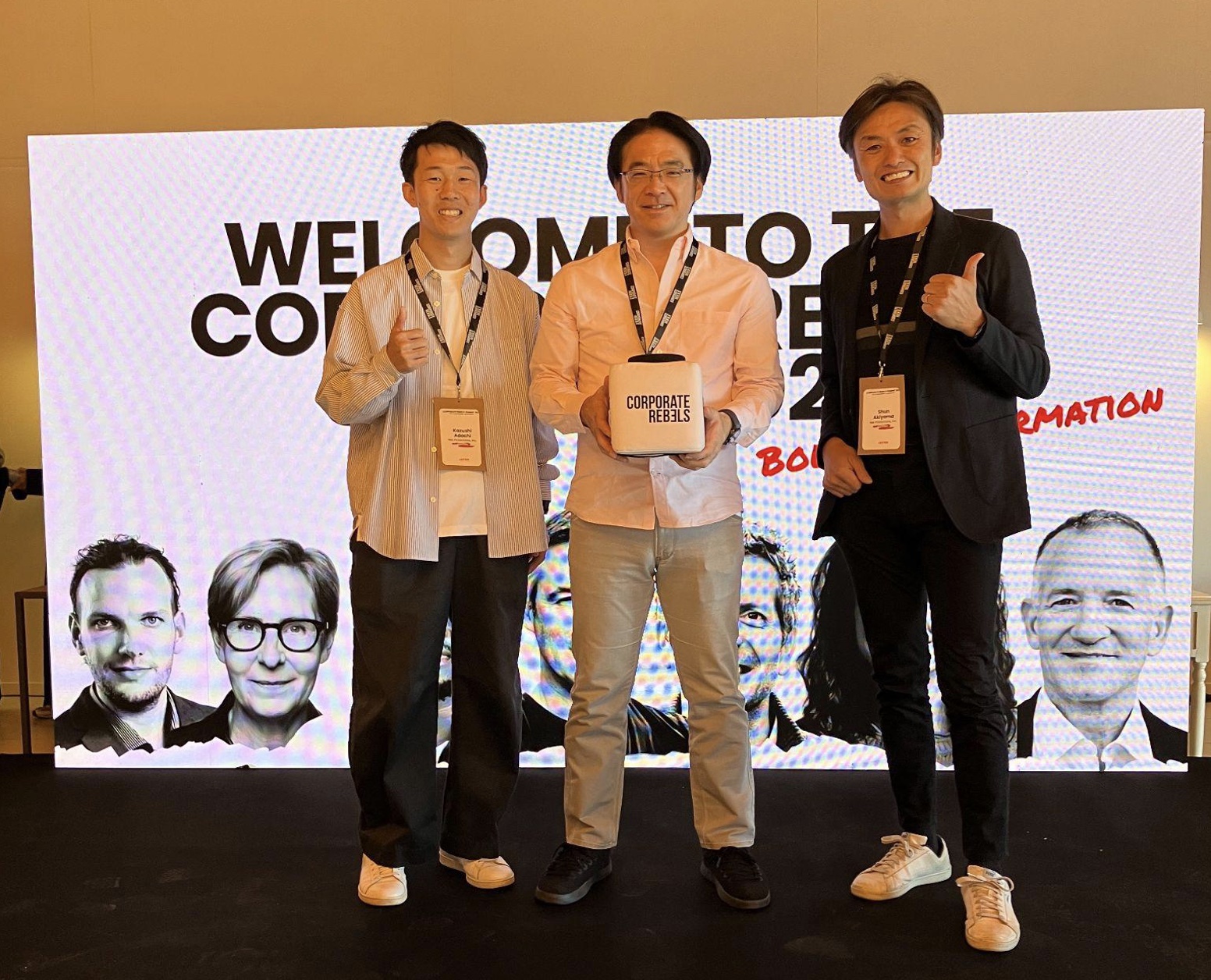
株式会社ネットプロテクションズ(以下、NP)は、2025年11月20〜21日にスペイン・バルセロナで開催された 「Corporate Rebels Summit 」 に参加しました。本サミットは、自律型組織やティール組織など、先進的な組織運営に取り組む世界中の実践者が集う国際カンファレンスです。
今回は代表の柴田をはじめ、取締役の秋山、さらに台湾支社を代表して安達が3名で渡航しました。創業以来、独自のティール型組織を磨いてきたNPにとって、世界の最先端事例と現在地を照らし合わせることは重要なテーマです。本記事では、国境を超えた「組織のあり方」についての対話と、現地企業への訪問を通じて得られた知見をレポートします。
当日の様子
オープニング・会場の様子

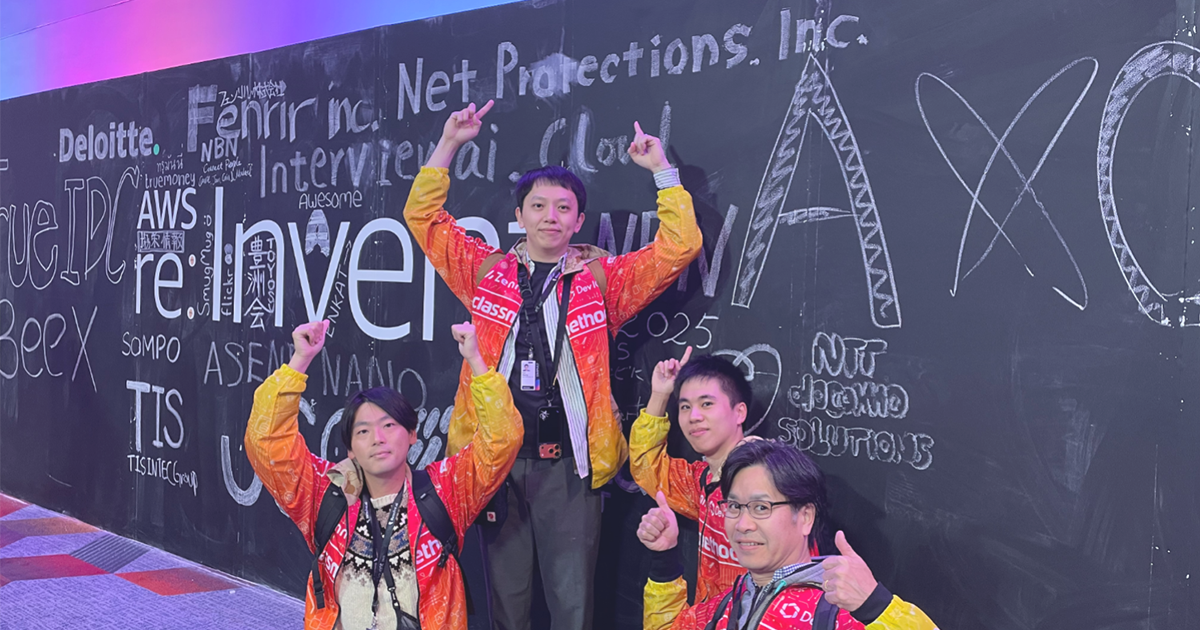
会場には世界20か国、200名以上の組織変革リーダーが集結し、熱気に包まれていました。参加者のバックグラウンドも多様で、多国籍企業、行政機関、非営利団体、スタートアップなど、さまざまな組織の実践者が一堂に会し、互いの経験を共有していました。
パネルディスカッション

講演者には、『ティール組織』著者のフレデリック・ラルー氏、オランダ発の非営利在宅ケア組織『Buurtzorg(ビュートゾルフ)』創始者ヨス・デ・ブロック氏ほか、多彩なリーダーが登壇。それぞれのトークテーマに基づき、組織運営や文化変革の実践が語られ、会場からも多くの質問が寄せられました。
講演後の分科会では、株式会社令三社 代表取締役 山田裕嗣氏 がホストを務めるセッションにて日本に関する質問が挙がり、会場にいたNP代表取締役 柴田が山田氏よりご紹介に預かり急遽登壇。
日本の文化的背景として根強い「集団への配慮(空気を読む文化)」に触れつつ、NPが従来型のマネジメントから脱却し、社員が自律的に活躍できる組織へ転換した経緯、転換期に半数の社員が離職するなどの困難を経験しながらも上場を果たしたことを語りました。本セッションではこの実践を、日本企業でもこのような組織運営が実現可能なんだという、ユニークかつ素晴らしい事例であると締めくくられました。

オランダ滞在期間中のできごと
カンファレンス終了後は、議論の中でつながった実践者の取り組みをより深く理解するため、オランダへ移動し、実際に企業を訪問しました。現地では、サミットで意見交換した組織を直接訪問し、日々の運営やグローバル展開の裏側にある実践知について詳しく伺いました。
オランダ発の非営利在宅ケア組織『ビュートゾルフ』への訪問

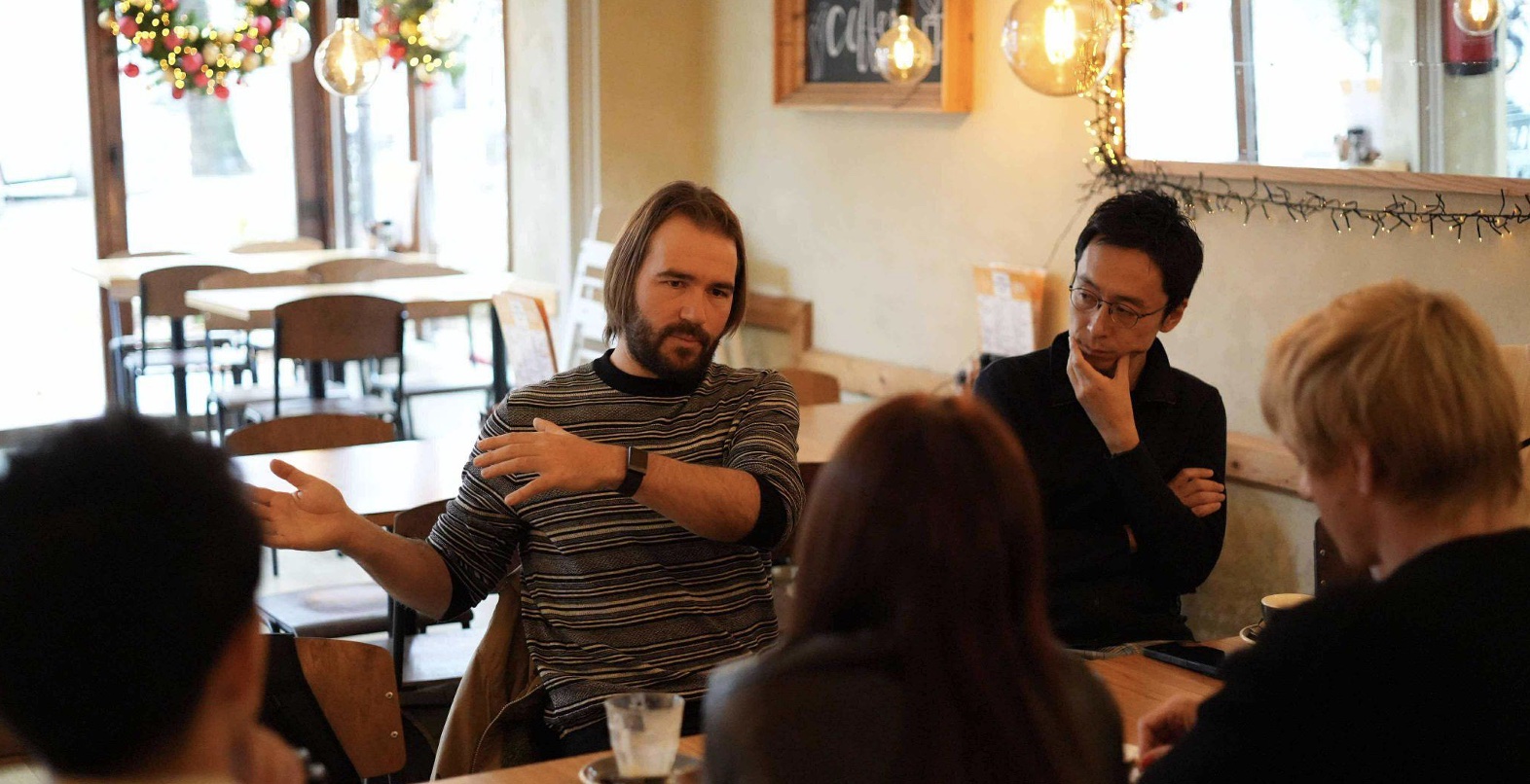
今回訪問した タイス・デ・ブロック氏 は、ビュートゾルフの国際展開を主導するキーパーソンであり、セルフマネジメント型組織を世界に広める役割を担っています(創設者ヨス・デ・ブロック氏の長年の実践を、海外に適応させるための現地化プロジェクトを牽引)。タイス氏からは、グローバル展開において組織文化をどのように現地へ根づかせているのか、その実践知を伺いました。
ビュートゾルフは小規模チームによるセルフマネジメントを核に世界へ展開していますが、タイス氏からは、「単なる仕組みのコピーではなく、各国文化に対する深い理解が不可欠である」 という印象的な示唆が語られました。
とくに、国ごとに異なる上司との関わり方、自律への価値観、組織との心理的距離感といった文化的要素が、セルフマネジメントの受容度や運用方法に大きく影響する点が強調されました。
そのため、ビュートゾルフ自身もローカライズに多くの試行錯誤を重ねており、「自律型組織は普遍の正解を配布するものではなく、その国・その人に合う形へと共に作り変えるプロセスが重要」 という、グローバル展開ならではの苦労と哲学が共有されました。
日本および海外支社で自律分散型組織を運営するNPにとって、深い共鳴と学びを得る対話となりました。
『オムロンヘルスケア』への訪問
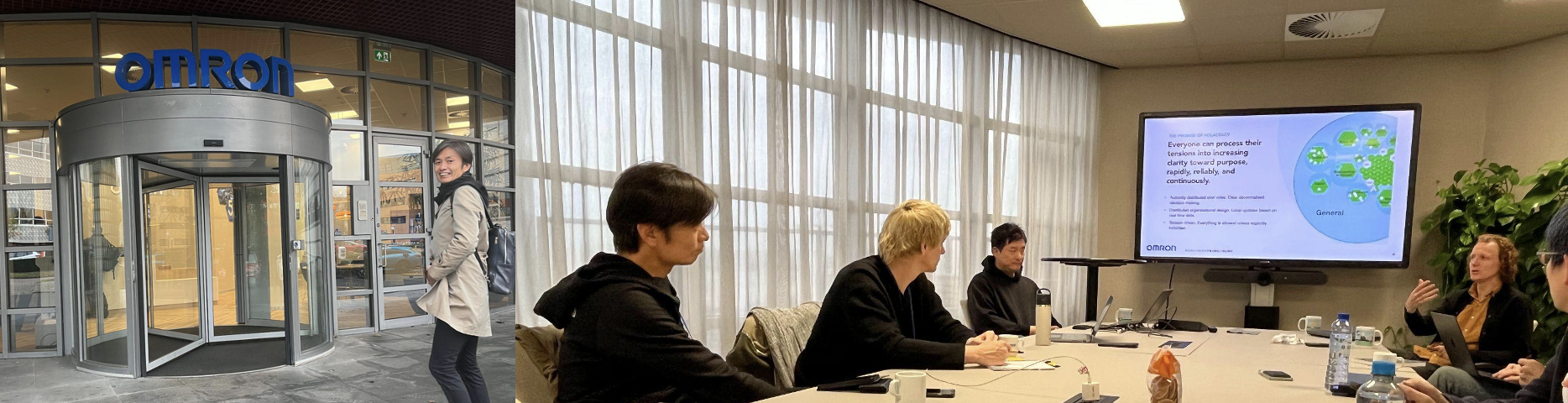
オムロンヘルスケアの欧州拠点を訪問し、同社が取り組んだ文化統合の事例について伺いました。同社は2024年4月に、オランダ発の遠隔診療サービス企業「Luscii Healthtech(ルーシーヘルステック)」を完全子会社化しました。ルーシー社は、ティールともアプローチが異なり、個人が複数の役割を担って自律的に動く「ホラクラシー」という組織運営を実践しています。今回の訪問で特に印象的だったのは、買収を理由とした退職者がゼロだったという事実です。
同社が創業より持つベンチャースピリットは、買収後の文化統合の成功を支える背景となりました。同社は、従来の体制にとらわれず、より迅速な意思決定ができる組織への変革に意欲的でした。そのため、ルーシー社の文化を尊重し、積極的に権限委譲を行う柔軟な受け入れ体制を整えていたのです。
今回面談の対応をしてくださった方の、「オムロンヘルスケア社は資産を買収したのではなく、人々の集まりを迎え入れたのだということを、本質的に理解していました」 という言葉が深く心に残りました。実際、買収後はルーシー社の柔軟な組織運営や意思決定のスピード感がオムロンヘルスケア社側のチームへより波及し、現場起点の判断や、チームに裁量を委ねる文化が強まっているとのことでした。
この話は、組織統合が必ずしも「吸収して均一化する」だけのものではないことを示しています。特に現在のように環境変化が大きく、柔軟な働き方や現場の機動力が重視される時代においては、買収を契機に異なる文化同士が学び合い、双方の良さを取り込みながら新しい組織の姿へと進化していくことに価値がある、という視点が強調されました。この点は、ティール型組織を運営しながら、他社とも協業を実践しているNPとしても大変学びになるものでした。
おまけ:スペインとオランダのキャッシュレス事情、およびインフラ事情
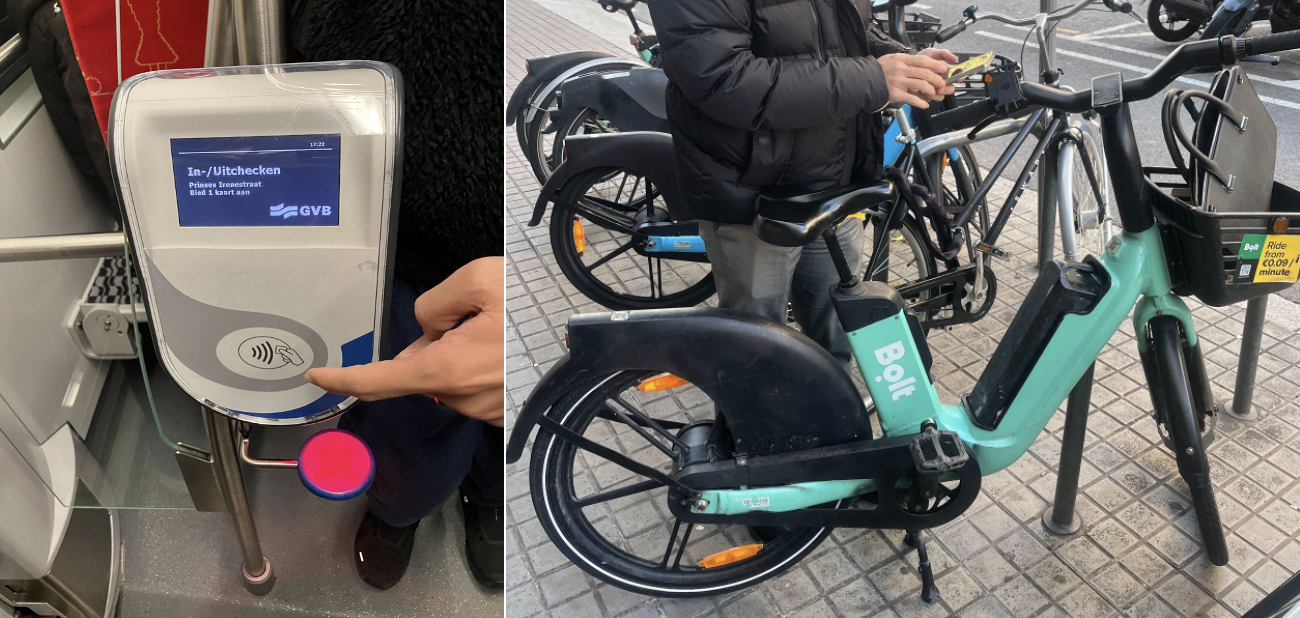
観光地ではクレジットカード決済などのコンタクトレス支払いが一般化しており、電車やバスなどの移動はスマホひとつあればほとんど利用することができました。
一方で、電子マネーは日本ほど普及しておらず、実店舗では利用できないケースも多く見られました。
その他、インフラ面ではシェアサイクルが浸透しており、bolt、donkey republicと言ったアプリを使えば、街中で乗り捨てられた自転車を拾ってQRコードをかざすだけで利用できるなど、利便性の高い都市インフラも体感しました。
おわりに
今回参加した「Corporate Rebels Summit」およびオランダ滞在では、世界各国で自律型組織に挑む実践者たちと出会い、組織変革や自律型組織の実践的な事例に触れるとともに、グローバルな視点での働き方や組織運営の多様性を肌で感じることができました。
また、都市部でのキャッシュレス化の進展など、現地の文化や生活習慣に触れる機会も得られました。
NPはこれからも、「社員の主体性」と「顧客への新しい価値創造」を軸に、組織および事業のアップデートを続けていきます。
今回の出会いと学びは、私たちが組織として、またサービス提供者として、これからどう未来を形づくるのかを考える大きなヒントになりました。
Report on Participation in International Summit and Visit to Dutch Companies: Exchanging Opinions with Companies Engaging in Advanced Self-Management
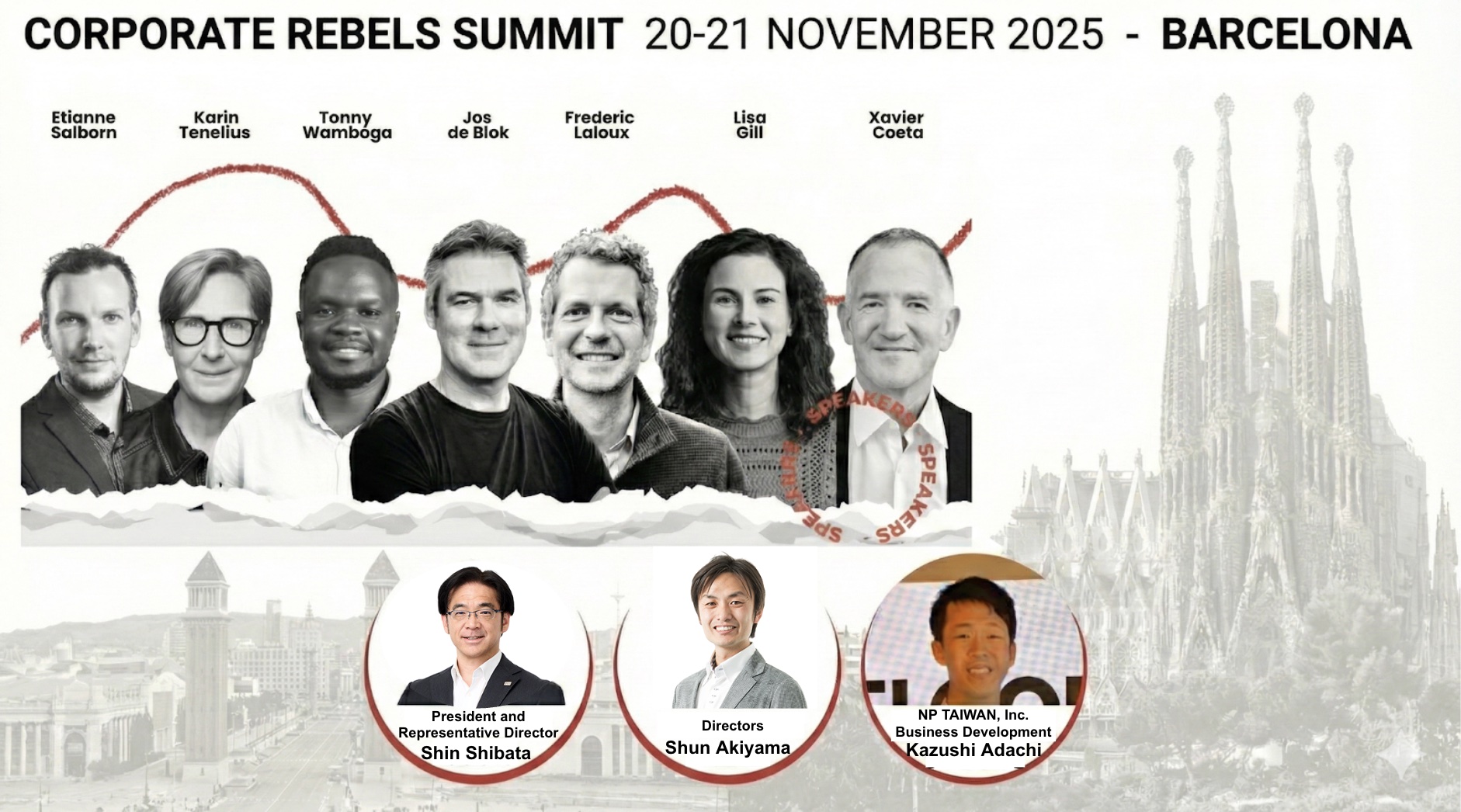
Net Protections, Inc. (hereinafter “NP”) participated in the “Corporate Rebels Summit” held in Barcelona, Spain, on November 20–21, 2025. This summit is an international summit that brings together practitioners from around the world who are engaging in advanced self-management, such as self-managing organizations and Teal organizations.
For this trip, three members traveled to Europe: CEO Shibata, Director Akiyama, and Adachi, representing the Taiwan branch. For NP, which has been refining its unique Teal-style organization since its founding, comparing our current standing with the world’s most cutting-edge examples is an important theme. In this article, we report on the dialogue regarding “how organizations should be” across borders and the insights gained through visiting local companies.
About the Corporate Rebels Summit
Opening and Atmosphere of the Venue
The venue was filled with enthusiasm, bringing together over 200 organizational transformation leaders from 20 countries around the world. The backgrounds of the participants were diverse, with practitioners from multinational corporations, government agencies, non-profit organizations, and startups all gathering under one roof to share their mutual experiences.
Panel Discussion
A variety of leaders took the stage, including Frederic Laloux, author of Reinventing Organizations, and Jos de Blok, founder of the Dutch non-profit home care organization Buurtzorg. Based on their respective talk themes, they discussed the practice of organizational management and cultural transformation, and many questions were raised from the audience.
In the breakout session following the lectures, hosted by Mr. Hirotsugu Yamada, Representative Director of Reisansha Co., Ltd., a question was raised regarding Japan. NP CEO Shibata, who was in the audience, was introduced by Mr. Yamada and invited to speak impromptu. Touching upon the deep-rooted Japanese cultural background of “consideration for the group” (the culture of “reading the air”), Shibata spoke about how NP broke away from traditional management to transform into an organization where employees can act autonomously. He shared the history of this transition, including the difficulties experienced, such as half of the employees leaving during the transition period, and how the company achieved an IPO despite these challenges.
The session concluded by acknowledging this practice as a unique and wonderful case study, demonstrating that such self-management is feasible even in Japanese companies.
Events During the Stay in the Netherlands
After the summit concluded, we moved to the Netherlands to deepen our understanding of the initiatives of the practitioners we connected with during the discussions. We visited the organizations we exchanged opinions with at the summit to hear in detail about their daily operations and the practical knowledge behind their global expansion.
Visit to the Dutch Non-profit Home Care Organization “Buurtzorg”
We visited Mr. Thijs de Blok, a key person leading the international expansion of Buurtzorg and playing a role in spreading self-managing organizations to the world (leading the localization project to adapt the long-standing practices of founder Jos de Blok to overseas markets). We asked Mr. Thijs about the practical knowledge of how to root organizational culture in local areas during global expansion.
Buurtzorg is expanding globally with self-management by small teams at its core, but Mr. Thijs shared an impressive insight: “It is not about simply copying the mechanism, but a deep understanding of each country’s culture is essential.” In particular, he emphasized that cultural elements such as how to relate to bosses, values regarding autonomy, and psychological distance from the organization, which differ from country to country, greatly affect the acceptance and operation of self-management.
For this reason, Buurtzorg itself has gone through much trial and error in localization, sharing the philosophy and struggle unique to global expansion that “A self-managing organization is not a universal answer to be distributed, but a process of co-creating a form that fits that country and that person.”
For NP, which operates a decentralized self-managing organization in Japan and overseas branches, this was a dialogue that brought deep resonance and learning.
Visit to “Omron Healthcare” (Europe)
We visited the European base of Omron Healthcare and heard about the case of cultural integration the company worked on. In April 2024, the company made “Luscii Healthtech,” a Dutch remote medical service company, a wholly-owned subsidiary. Luscii practices an organizational management style called “Holacracy,” which differs from Teal, where individuals take on multiple roles and act autonomously. What was particularly impressive about this visit was the fact that there were zero resignations due to the acquisition.
The venture spirit that the company has fostered since its founding served as the backdrop for the success of this cultural integration. The company was eager to transform into an organization capable of rapid decision-making, without being bound by traditional structures. Consequently, they established a flexible acceptance structure that respected Luscii’s culture and actively delegated authority.
A remark from our host left a deep impression on us: “We essentially understood that Omron Healthcare was not acquiring assets, but welcoming a gathering of people.” In fact, since the acquisition, Luscii’s flexible organizational management and speed of decision-making have increasingly rippled out to the Omron Healthcare team. We heard that a culture of judgment based on the field and delegating discretion to teams is strengthening.
This story demonstrates that organizational integration is not necessarily just about “absorbing and homogenizing.” It emphasized the perspective that, especially in an era of significant environmental change where flexible working styles and on-site agility are prioritized, there is value in different cultures learning from each other triggered by an acquisition, evolving into a new organizational form while incorporating the strengths of both sides. This point was very educational for NP, which practices collaboration with other companies while operating a Teal-style organization.
Bonus: Cashless and Infrastructure Situation in Spain and the Netherlands
In tourist areas, contactless payments such as credit card settlements have become common, and we were able to use most transportation such as trains and buses with just a smartphone. On the other hand, electronic money is not as widespread as in Japan, and there were many cases where it could not be used in physical stores.
In addition, in terms of infrastructure, share cycles have permeated, and we experienced highly convenient urban infrastructure, such as being able to use bicycles left in the city just by scanning a QR code using apps called “Bolt” and “Donkey Republic.”
Conclusion
Through the “Corporate Rebels Summit” we participated in this time and our stay in the Netherlands, we met practitioners challenging self-managing organizations around the world, touched upon practical examples of organizational transformation and self-managing organizations, and were able to feel the diversity of working styles and organizational management from a global perspective. We also had the opportunity to experience local culture and lifestyle habits, such as the progress of cashless payments in urban areas.
NP will continue to update its organization and business centered on “employee agency” and “creating new value for customers.” The encounters and learnings this time have become significant hints for us to think about how we will shape the future as an organization and as a service provider.